When it comes to #PetHealth, oral hygiene is often overlooked—but it’s just as important as diet, exercise, and routine check-ups. Whether you have a playful pup or a curious cat, understanding the role of Dentistry & Dental X-Rays in veterinary care can make a world of difference in your pet’s wellbeing.
At EastsideVeterinaryServices, advanced VeterinaryDentistry ensures that dental care for dogs and cats goes far beyond brushing teeth—it’s about detecting hidden issues, preventing disease, and giving your furry friends a pain-free life.
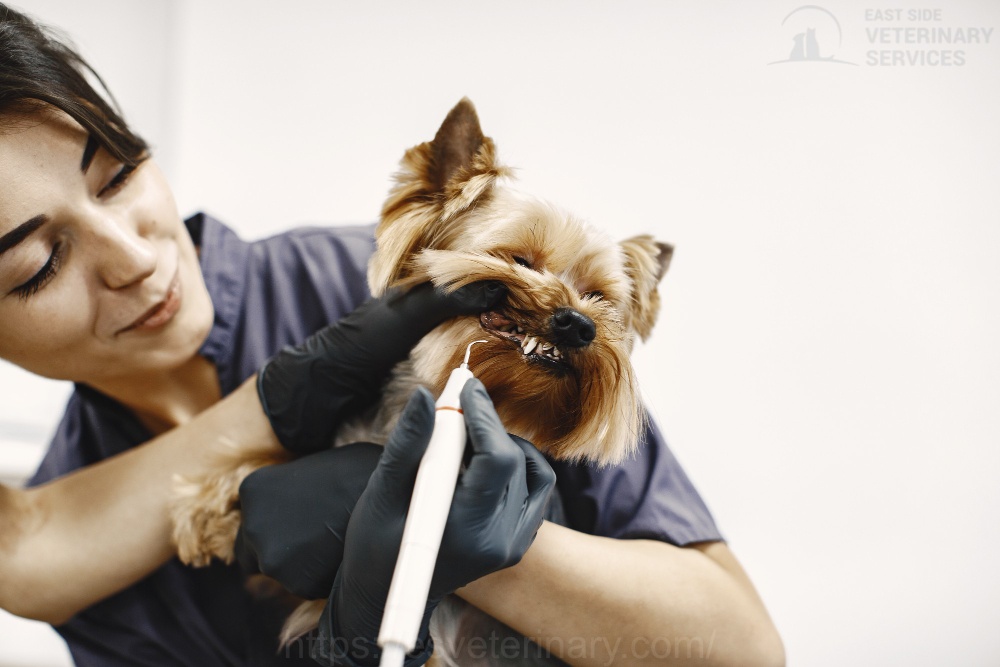
Why Pet Dentistry Matters
Many pet parents are surprised to learn that dental disease is one of the most common health problems seen in dogs and cats. Plaque, tartar buildup, and gum inflammation can lead to pain, infection, and even organ damage if untreated.
Professional #PetDentalCare services help identify and treat oral issues before they escalate. Regular dental check-ups can detect early signs of:
- Periodontal disease
- Broken or loose teeth
- Oral infections or abscesses
- Tooth root exposure
- Tumors or cysts in the mouth
With proper dental hygiene and professional intervention, pets live longer, happier lives with fewer chronic health issues.
The Role of Dental X-Rays in Veterinary Dentistry
While a visual exam gives veterinarians a surface-level view, DentalXRays (radiographs) reveal what lies beneath the gumline. This is where most dental problems occur.
At EastsideVeterinaryServices, dental X-rays are part of every complete oral exam. These images help veterinarians detect:
- Bone loss around teeth
- Hidden root infections
- Retained baby teeth
- Tooth resorption (common in cats)
- Jaw fractures or abnormalities
Dental radiographs allow for accurate diagnosis and treatment, ensuring no problem goes unnoticed.
Dog Dental Care: A Lifelong Commitment
DogDentalCare isn’t just about fresh breath—it’s about protecting your dog from serious health issues. Dogs often chew on hard toys or bones, leading to cracked teeth and oral injuries. Regular exams and X-rays can help spot these issues early.
Simple habits for better canine oral health include:
- Daily brushing with pet-safe toothpaste
- Annual dental cleanings at the vet
- Offering dental chews and toys
- Monitoring for drooling, bad breath, or difficulty eating
Your veterinarian may recommend a dental X-ray if your dog shows signs of pain or oral swelling, ensuring timely and effective treatment.
Cat Dental Care: Subtle Signs, Serious Problems
Cats are experts at hiding pain, which makes #CatDentalCare even more critical. Feline dental disease, especially tooth resorption, often goes undetected without X-rays.
Veterinary dentists use dental radiographs to check for:
- Resorptive lesions
- Gum inflammation
- Hidden infections
- Oral masses or fractures
Cats benefit from regular dental cleanings, soft diets when needed, and X-rays that give a clear picture of their hidden oral health.
Advanced Veterinary Dentistry at Eastside Veterinary Services
EastsideVeterinaryServices provides state-of-the-art VeterinaryDentistry, combining gentle care with advanced imaging. Their team uses digital dental X-rays for faster, clearer diagnostics, allowing for immediate treatment decisions.
Services include:
- Professional dental cleanings
- Tooth extractions (when necessary)
- Digital dental radiography
- Oral surgery and advanced care
- Personalized dental health plans
With compassionate staff and the latest technology, your pet’s dental care is in expert hands.
The Connection Between Dental Health and Overall Pet Wellness
Poor oral health doesn’t just affect your pet’s mouth—it impacts their entire body. Bacteria from dental infections can enter the bloodstream, leading to issues with the heart, liver, and kidneys.
That’s why regular dental X-rays and cleanings are essential components of your pet’s preventive health plan. Healthy teeth mean:
- Reduced risk of systemic disease
- Improved appetite and mood
- Longer lifespan
- Fresher breath and happier cuddles!
When Should Your Pet Get a Dental X-Ray?
Your veterinarian might recommend DentalXRays:
- During routine dental cleanings
- After tooth fractures or injuries
- If there’s visible swelling or bleeding gums
- When pets resist eating or chew oddly
Most vets suggest annual dental exams to maintain optimal oral health.
Final Thoughts on Pet Dentistry & Dental X-Rays
Taking care of your pet’s teeth is more than a cosmetic concern—it’s a crucial part of ensuring long-term PetHealth. With advanced imaging and expert VeterinaryDentistry from EastsideVeterinaryServices, you can be confident your pet’s oral health is in the best hands.
By investing in DogDentalCare and CatDentalCare, you’re giving your furry family members the comfort and health they deserve.
🐾 FAQs
What are the signs of dental disease in pets?
Bad breath, drooling, bleeding gums, and reluctance to eat are common indicators.
Are dental X-rays safe for pets?
Yes. Veterinary dental X-rays use minimal radiation and are completely safe for dogs and cats.
How often should pets have dental cleanings?
Most pets benefit from annual professional cleanings, though some may need more frequent visits.
Can I brush my pet’s teeth at home?
Absolutely! Use a pet-safe toothbrush and toothpaste. Daily brushing prevents plaque buildup.
Why are dental X-rays important if my pet’s teeth look fine?
Because many dental problems occur below the gumline and are invisible without X-rays.
Does dental care really affect my pet’s lifespan?
Yes. Studies show pets with good dental hygiene live healthier, longer lives.