When our beloved pets require surgery—whether it’s routine soft-tissue work, an orthopedic fix, or another intervention—the role of anesthesia is central. The term “pet surgery and anesthesia” covers the full process: pre-operative evaluation, the surgical procedure itself, anesthesia and monitoring, and the recovery period.
Choosing the right clinic – maybe you searched “AnimalHospitalKingston”, “PetHospitalNearMe”, or “VeterinaryClinicKingston” – means looking for a place that offers not only “CheapestVetSurgery” or “CheapestVetInKingston” options, but also safe, evidence-based care.
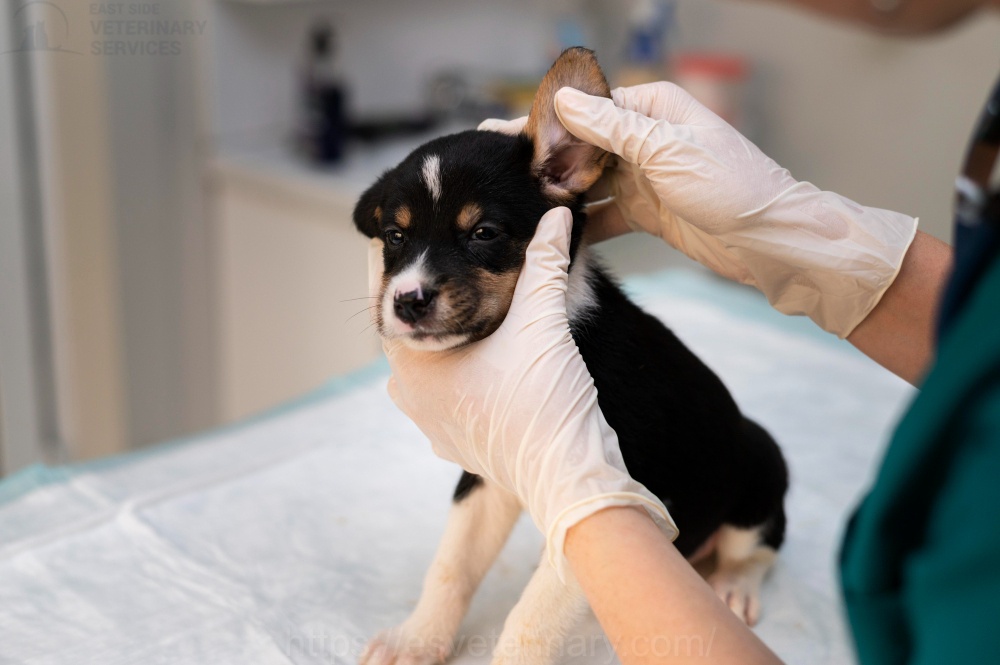
Why Pre-Surgical Evaluation Matters
Before any surgery, the veterinary team will perform thorough checks. According to guidelines by the EsVeterinary Services, preanesthesia includes client education, physical exam, and lab testing.
These steps help to assess risks—especially important if your pet is older or has underlying conditions. Even when you’re seeking an “AffordableVetNearMe” option, you still want the vet to take these pre-surgical steps seriously.
What Happens During Anesthesia?
Once your pet is ready for surgery, anesthesia begins. In veterinary medicine, anesthesia is a “continuum of care” starting from home, through induction, maintenance, and into recovery.
Key elements include:
- Balanced anesthesia (using combinations of medications to reduce risks)
- Monitoring vital signs: heart rate, blood pressure, oxygenation, temperature
- Intravenous fluids, especially if the pet has existing disease or undergoing a longer procedure
Even if you’re comparing prices at clinics like “EastSideVet” or “KingstonAnimal Hospital”, make sure these key safety measures are part of their protocol.
Pet Surgery Types: Soft Tissue & Orthopedics
In the realm of pet surgical services you’ll commonly see two main categories:
- Advanced Soft Tissue Surgery (e.g., tumor removals, abdominal surgeries)
- Pet Orthopedic Surgery (e.g., fracture repairs, ligament repairs)
When a clinic advertises “AdvancedSoftTissueSurgery” and “PetOrthopedicSurgery”, you want to dig further: what’s their anesthetic monitoring like? What’s the post-operative care plan? If you’re looking for “CheapestVetSurgery” or “CheapestVetInKingston”, you still want quality—not just low cost.
Recovery and Post-Operative Care
Recovery is just as critical as the surgery itself. After anesthesia and surgery, pets need controlled activity, pain management, and close observation. For example: restriction of running or jumping after orthopedic procedures, watching for signs of infection or discomfort.
Choosing an affordable clinic doesn’t mean skimping on after-care. A clinic that advertises “VeterinaryClinicServices” or “PetSurgicalServices” should include detailed recovery instructions, follow-up visits, and accessible support.
How to Choose the Right Clinic Near Me
When you search “etNearMe”, “AnimalHospitalKingston”, or “PetHospitalNearMe”, here are key criteria:
- Experience and credentials: Do they perform advanced soft tissue or orthopedic surgery routinely?
- Anesthesia safety protocols: Do they follow guidelines like those from ?
- Transparent pricing: “CheapestVetInKingston” may appeal—but check what’s included (pre-op tests, monitoring, pain control)
- Post-op care: What’s their follow-up policy? “BestVetInKingston” implies full service, not just surgery and discharge
- Client communication: Good clinics educate you on the process, risks, and recovery—look for this when contacting “EastSideVeterinaryServices” or other “VeterinaryClinicKingston” options
Balancing Affordability and Quality
It’s tempting to go straight for the cheapest provider—but here’s the contradiction: spending a little more upfront can save you from risk, complications, or extended recovery. If you find a clinic offering “AffordableVetNearMe” services with high-quality anesthesia care, that’s your sweet spot.
For instance, a clinic that offers “CheapestVetSurgery” but also invests in monitoring equipment and trained staff may justify a slightly higher cost versus another place that cuts corners.
What to Ask When You Call for a Quote
Here are questions you should ask when you contact a clinic:
- What pre-surgical tests are included? Are bloodwork, X-rays, ECG part of the package?
- What monitoring equipment is used during surgery? Who monitors the anesthetized pet?
- Is pain management included post-surgery?
- How many days of follow-up or rehabilitation are included (especially for orthopedic cases)?
- What are the risks specific to my pet (age, breed, health status)?
- If the clinic advertises “EastSideVet” or “KingstonVets”, ask for examples of similar cases they’ve handled.
Case Example: Orthopedic Surgery at a Local Vet
Imagine your dog needs a ligament repair. You call “KingstonAnimal Hospital” that advertises “PetOrthopedicSurgery” and “CheapestVetInKingston”. They outline:
- Pre-op bloodwork and ECG included
- Balanced anesthesia with full monitoring
- Overnight stay with pain meds and fluids
- Follow-up visits and rehab plan included
Contrast with another clinic that quotes much lower but does not include overnight monitoring or detailed after-care. The cheaper option may cost more in hidden risks or complications.
Anesthesia Risks & How to Mitigate Them
Yes—anesthesia isn’t risk-free. According to veterinary sources, “there are no safe anesthetic agents or procedures; there are only safe anesthetists.” The risk of anesthesia-related complications increases with age, poor health, or inadequate monitoring.
Mitigation includes: thorough pre-op evaluation, appropriate fluid therapy, continuous monitoring, proper recovery support. A clinic offering “AffordableVetNearMe” should still meet these standards.
Why Advanced Clinics Matter for Complex Cases
When it comes to “AdvancedSoftTissueSurgery” or complex “PetOrthopedicSurgery”, selecting a clinic with advanced capabilities is key. These cases often need:
- Specialist surgeons
- Anesthesia staff experienced in high-risk patients
- Advanced diagnostics (imaging, labs)
- Rehab services
So while you may search for “BestVetInKingston” or “EastSideVeterinaryServices”, check their track record for these advanced services.
Insurance, Financing & Affordability Options
To keep quality high and cost manageable, consider:
- Asking if the clinic offers payment plans or financing
- Checking if they accept pet insurance for surgery and anesthesia
- Asking for itemised quotes so you understand what is included
- Verifying post-op care costs (because recovery can add up)
Even “CheapestVetSurgery” should include key safeguards—not just the lowest sticker price.
Summary: What You Should Look For
| Feature | Why It Matters |
|---|---|
| Pre-surgical evaluation | Reduces risk of anesthesia and surgery |
| Full anesthesia monitoring | Ensures safety during surgery |
| Qualified surgical team | Higher expertise for complex cases |
| Transparent pricing | Avoids surprise costs or cut-corners |
| Post-operative care plan | Ensures proper recovery and outcome |
| Affordability with quality | Balance cost with safe standards |
When you type in keywords like “AnimalHospitalKingston”, “PetHospitalNearMe”, or “etNearMe”, use these criteria to compare clinics.
Conclusion
Pet surgery and anesthesia are serious matters—but with the right information and vet clinic, you can make a confident choice. Whether you’re searching for “EastSideVet”, “EastSideVeterinaryServices”, “KingstonVets”, or “AffordableVetNearMe”, aim for a clinic that delivers safety, competence, transparency, and care. After all, your pet deserves nothing less than the best—even when balancing cost and quality.