Introduction
As loving pet owners, we often notice the visible signs of our pet’s health—bright eyes, playful energy, or perhaps a sudden change in behavior. But many health conditions cannot be detected through observation alone. This is where pet laboratory services play a vital role.
Laboratory testing helps veterinarians uncover hidden health problems, monitor ongoing conditions, and guide treatment plans with precision. Whether it’s routine wellness checks or urgent diagnostics, lab tests are essential for keeping your furry family member healthy and thriving.
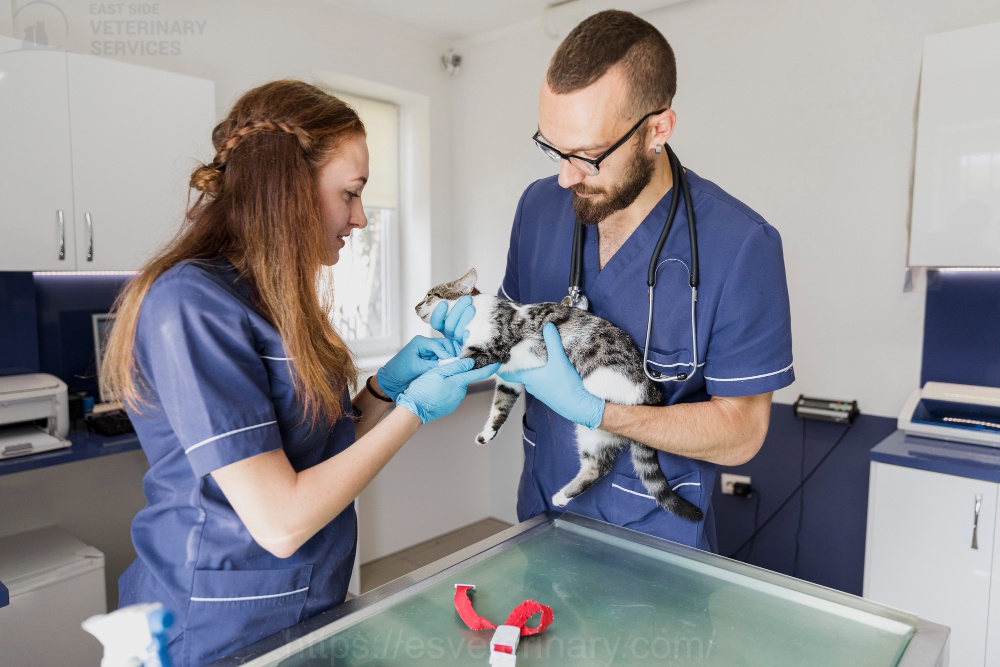
The Role of Pet Laboratory Services in Veterinary Care
Pet laboratory testing goes beyond routine check-ups. It provides a deeper understanding of your pet’s internal health, helping veterinarians:
- Detect diseases before symptoms appear
- Evaluate organ function
- Identify infections or parasites
- Monitor long-term health conditions
- Guide preventive care strategies
By analyzing blood, urine, stool, and tissue samples, veterinarians gain insights that can’t be seen during a physical exam alone.
Types of Pet Laboratory Tests
Modern veterinary laboratories offer a wide variety of diagnostic tests, including:
Blood Tests
Blood work is one of the most common diagnostics. It helps evaluate organ health, detect infections, and monitor conditions like diabetes or thyroid disease.
Urinalysis
This test checks for kidney disease, urinary tract infections, and metabolic problems.
Fecal Exams
By analyzing stool samples, vets can detect internal parasites that may cause digestive issues.
Cytology and Biopsy
Cell and tissue samples are examined to identify infections, inflammation, or even cancer.
Specialized Tests
Some conditions require advanced testing performed at external laboratories, such as genetic screenings or hormone evaluations.
Why Early Detection Matters
Pets are masters at hiding discomfort. By the time obvious symptoms appear, an illness may already be advanced. Regular laboratory testing helps catch conditions early—when they are easier to treat and manage.
For example:
- Routine bloodwork can reveal liver or kidney disease before symptoms emerge.
- Fecal exams detect parasites that could harm both pets and humans.
- Urinalysis can uncover diabetes in its early stages.
The earlier an issue is diagnosed, the better the chances of successful treatment.
How Often Should Pets Get Lab Tests?
- Young pets: Routine tests ensure proper growth and development.
- Adult pets: Annual wellness exams should include blood and fecal testing.
- Senior pets: Older pets may need more frequent testing to monitor for age-related conditions.
- Sick pets: Lab tests are essential whenever your pet shows unusual behavior, appetite loss, or sudden health changes.
Your veterinarian will recommend a schedule tailored to your pet’s age, breed, and health status.
The Benefits of In-House Veterinary Labs
Some veterinary clinics, like ESVeterinary, have in-house laboratory services, which provide key benefits:
- Faster results: Many tests can be completed the same day.
- Immediate care: Faster diagnosis leads to quicker treatment decisions.
- Convenience: No need to wait for external lab processing.
- Better outcomes: Early and accurate results improve recovery chances.
Conclusion
Pet laboratory services are more than just diagnostic tools—they are lifesaving resources that allow veterinarians to detect, treat, and prevent health problems effectively. Regular lab testing ensures your pet enjoys a longer, healthier, and happier life.
At ESVeterinary, our Pet Laboratory Service Kingston combines advanced technology with compassionate care to provide the best for your furry family members.
📞 Contact us today to learn more about our diagnostic services or to schedule your pet’s next wellness check.